
My Story
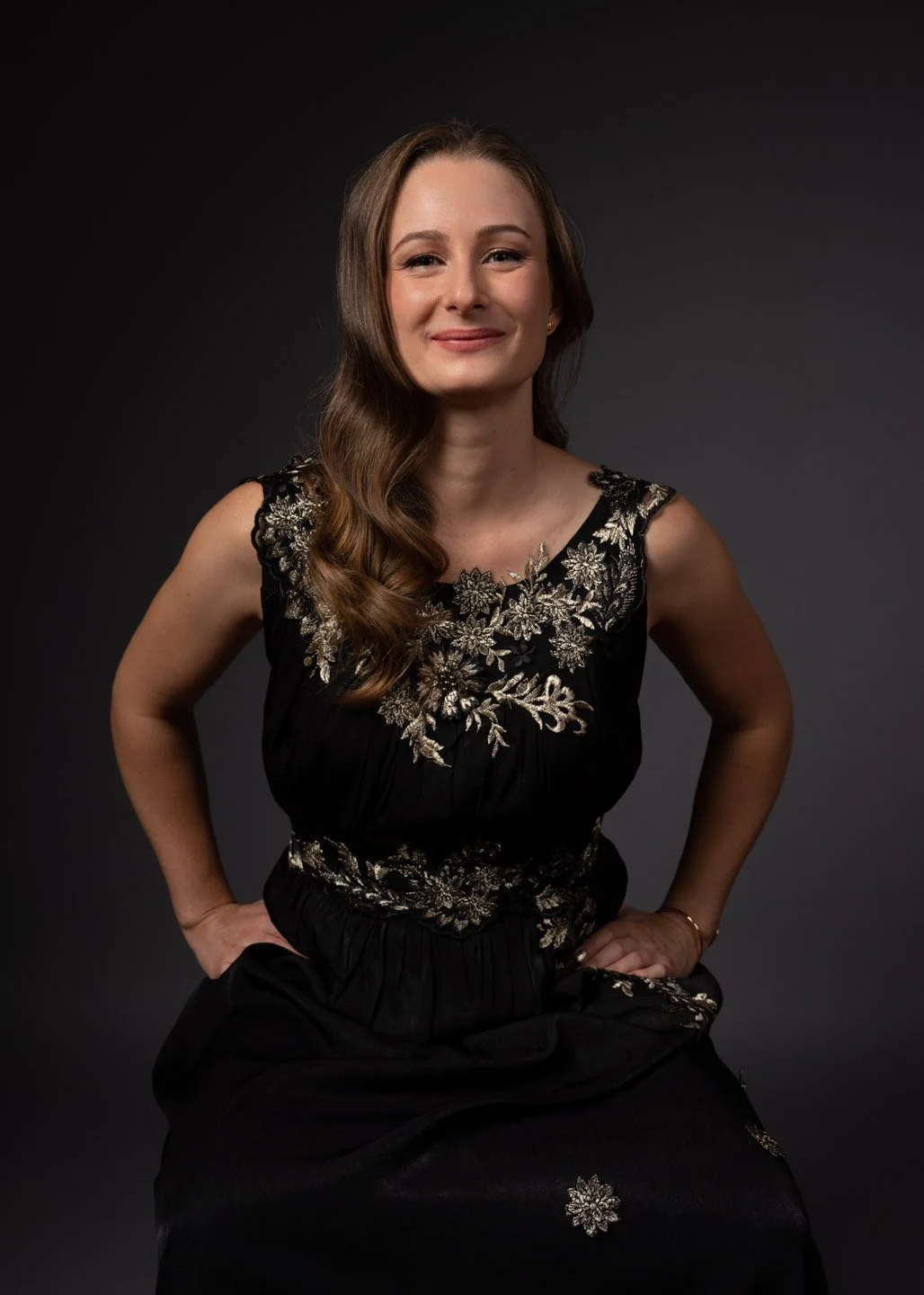
I studied the BRAIN.
I didn’t expect MONEY
to explain human behavior better.

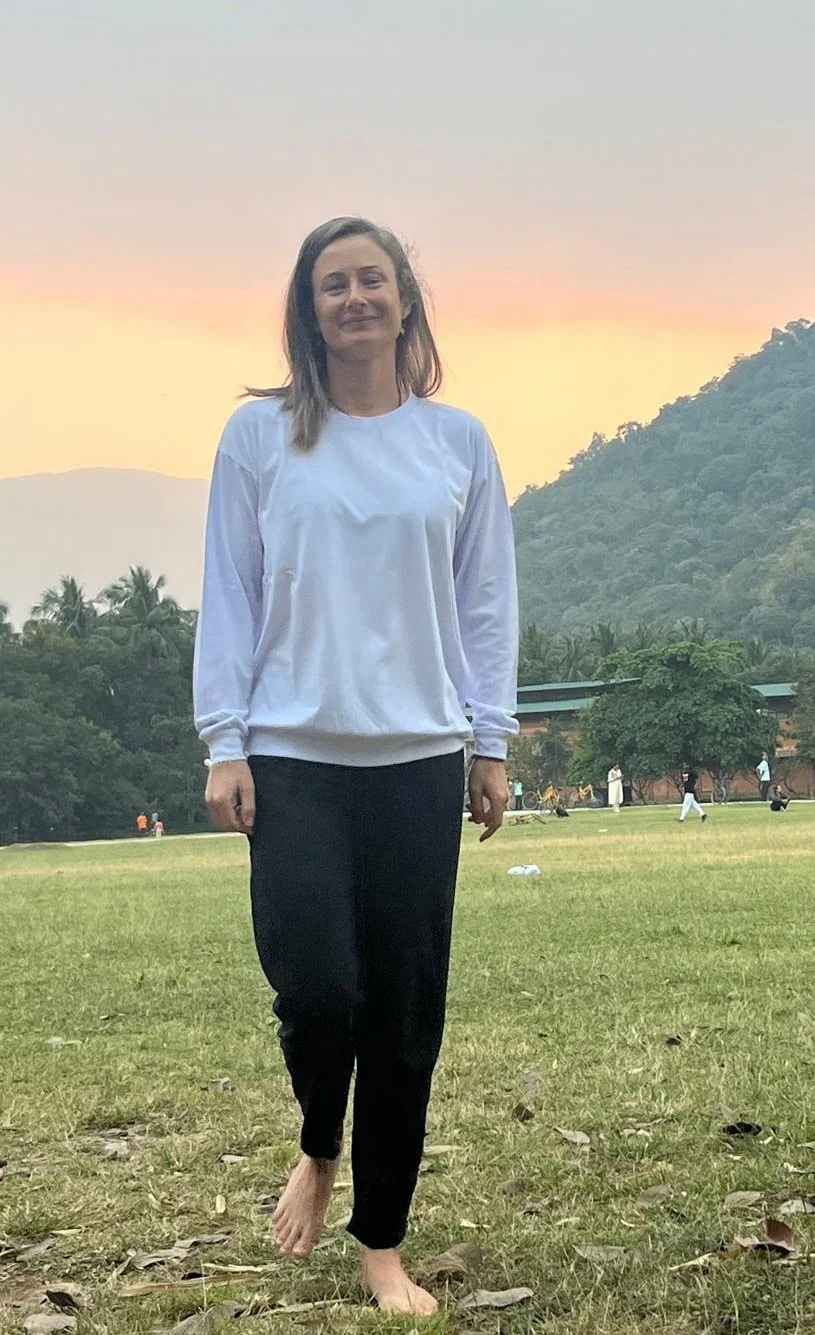
There was one question that kept following me from system to system:
Why do human beings behave the way they do?
Why do we repeat patterns that hurt ourselves and other people?
Why do intelligent people act against their own interests?
Why do we freeze, people-please, overwork, avoid, collapse, or keep ourselves small even when part of us clearly knows better?
I was never satisfied with just treating surface behaviors.
I was always looking for causality.
That question moved me from system to system.
I studied medicine and completed my doctorate degree in neuroscience, later working as a clinician-scientist at the intersection of neurology and computational neuroscience at the Charité and Harvard, mainly in the field of deep brain stimulation and movement disorders.
But I was also deeply interested in business from a young age.
Business felt alive to me.
Very close to life itself.
If a business loses touch with life, it dies.
I was fascinated by business as creative expression, as one of the most agile forms of organization we have in this world, and by the power business holds to create sustainable change.
At the same time, I had always been fascinated by money.
Partly because I saw my parents struggle…
… with it growing up and I wanted to understand why money seemed to create so much pressure, fear, helplessness, and limitation in people’s lives.
And partly because I kept noticing that money moves through the world faster and further than almost anything else.
Faster than language, ideology, or philosophy.
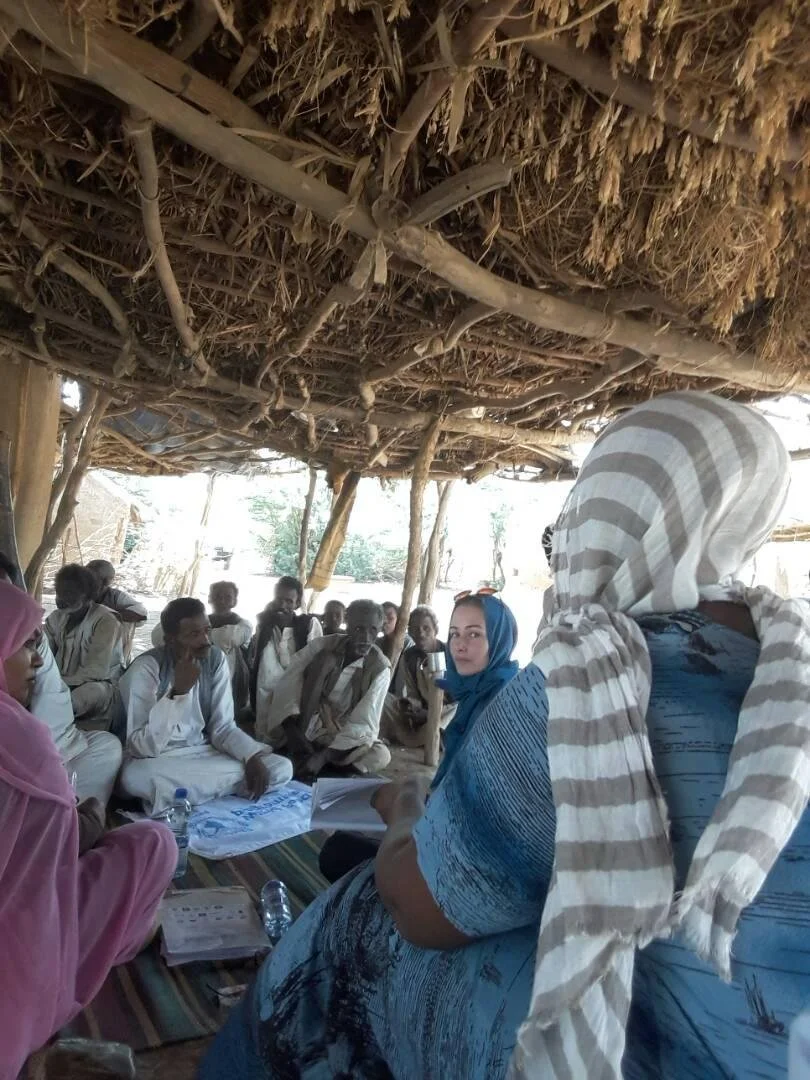
Later, I left medicine for a project management position with the United Nations in Sudan.
Living and working in Sudan changed my understanding of money completely.
For the first time, I saw directly how deeply money shapes systems:
poverty,
war,
survival,
migration,
gender dynamics,
opportunity,
and the future people believe is available to them.
At the same time, working closely with smallholder farmers and the private sector made something else very clear to me:
Sustainable Peace Needs a Business Engine.
People need a reason to stay, build, create, and invest into a future.
Especially women held that vision very strongly.
Over the years, I kept studying money from every angle I could find:
financial,
psychological,
entrepreneurial,
therapeutic,
spiritual,
behavioral.
But one question remained unanswered for me:
What actually determines how people behave around money?
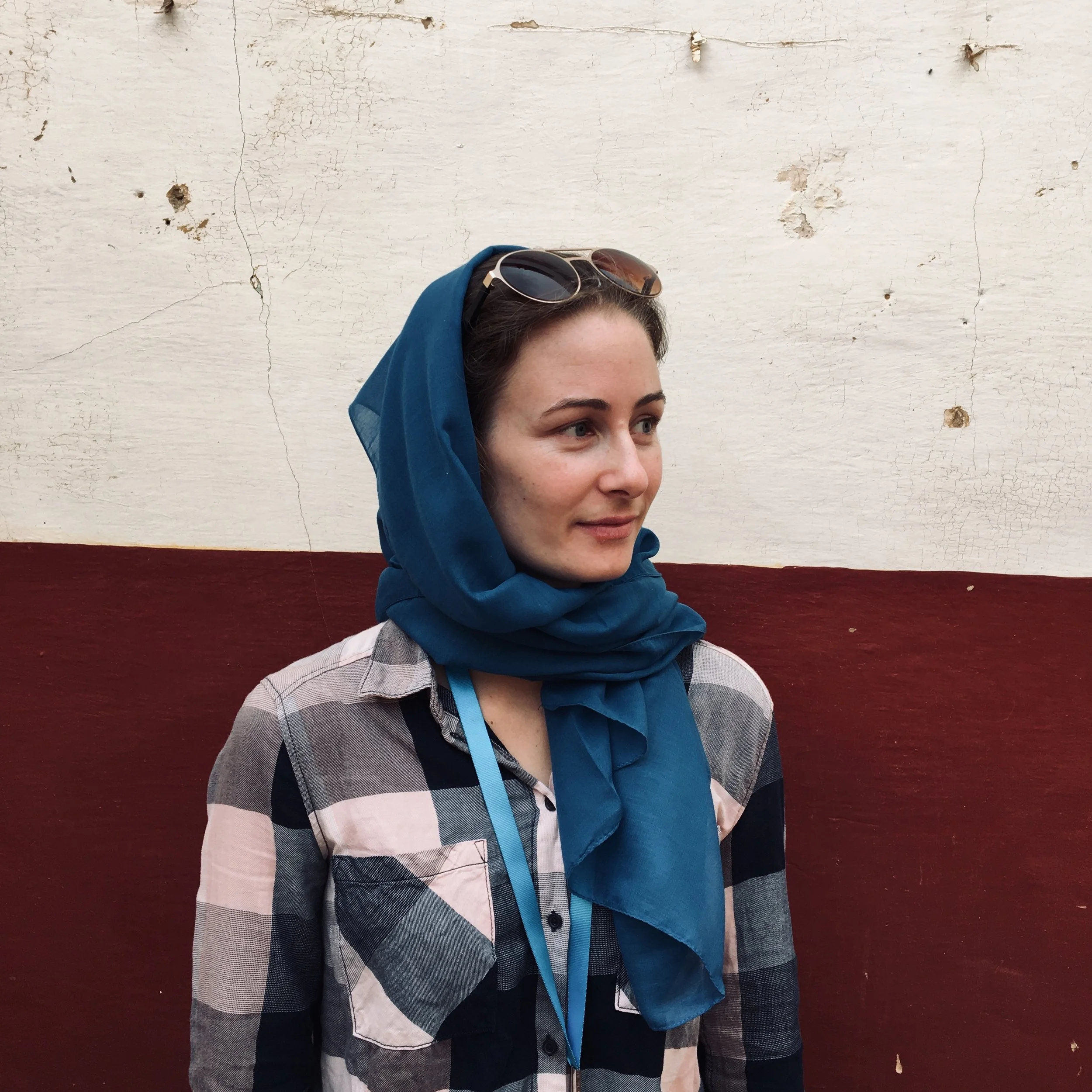
Why does money feel easy and expansive for some people, but emotionally charged, threatening, destabilizing, or almost impossible to hold for others?
It was only when I began combining neuroscience, nervous system work, trauma work, business, leadership, and human behavior that the patterns started converging for me.
I started seeing that what we often call “self-sabotage” is usually not random at all.
The question shifted from:
“Why are people self-sabotaging?”
to: “What is their system trying to protect?”
And because money exists almost entirely in human imagination, it became one of the clearest diagnostic surfaces for understanding how a nervous system is structured around safety, survival, visibility, power, receiving, and control.
What used to feel confusing and irrational started becoming legible.
And once something becomes legible, it becomes navigable.
Hi, I’m Siobhán
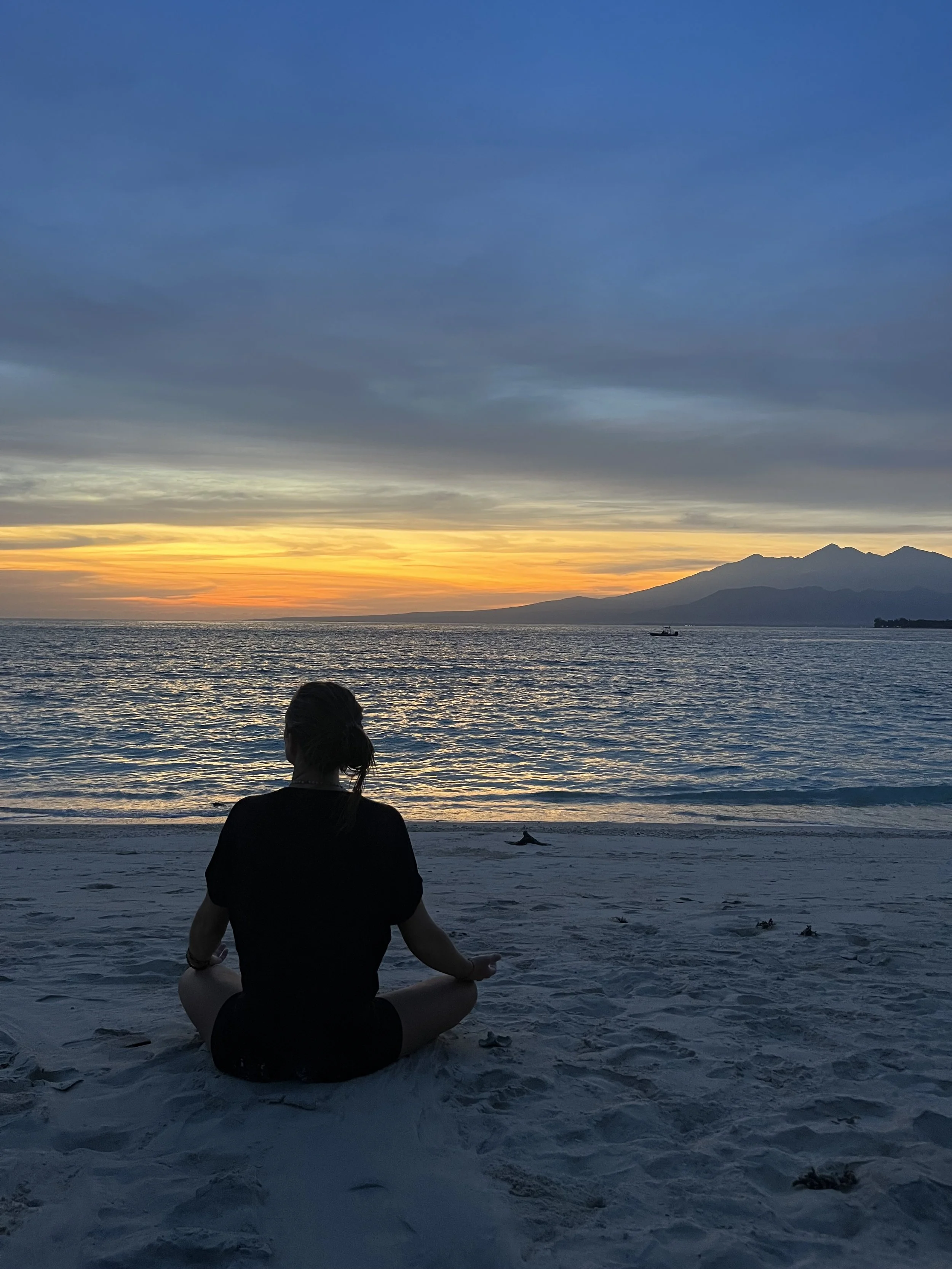
If you recognize yourself in this work — in the invisible walls, the repeated patterns, the feeling that something deeper is shaping how you move through money, business, leadership, or life — then you’re exactly why I do this work.
My work is about making those hidden structures visible,
understandable, and finally navigable.
If you’d like to explore your own patterns and nervous system architecture more deeply,
you can learn more about working with me here.